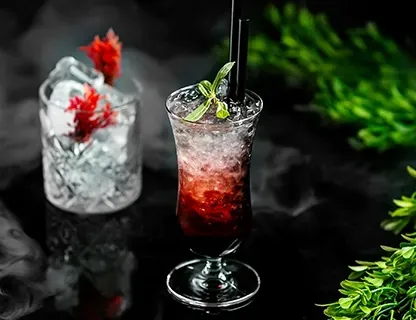
Singapore’s cocktail bar scene is one of the most exciting in Asia — and local bartenders are the reason why. By weaving native flavours like pandan, calamansi, lychee, and butterfly pea flower into handcrafted drinks, Singapore’s mixologists have built a cocktail identity that is entirely their own. If you are looking for a cocktail bar in Singapore that goes beyond the ordinary, you are in the right city.
What Makes Singapore’s Cocktail Scene Unique?
Singapore punches well above its weight when it comes to cocktail culture.
The city-state has consistently ranked among the world’s top drinking destinations. The 2024 Asia’s 50 Best Bars list featured multiple Singapore establishments, cementing the city’s reputation as a global benchmark for mixology.
But rankings only tell part of the story.
What truly sets Singapore apart is its multicultural DNA. With Chinese, Malay, Indian, and Peranakan culinary traditions all flourishing side by side, bartenders here have access to an extraordinary pantry of flavours. The result is craft cocktails in Singapore that feel rooted, personal, and unlike anything you will find anywhere else in the world.
Why Are Bartenders in Singapore Turning to Asian Ingredients?
For years, Singapore’s bar scene leaned heavily on imported spirits and Western cocktail templates. Then a generation of bold, curious bartenders began asking a different question — what happens if we use what is already here?
The shift was partly creative, partly philosophical. Many local bartenders wanted to tell Singapore’s story through their drinks. Pandan, a fragrant leaf used in Nyonya cooking and kaya toast, is deeply familiar to every Singaporean. Calamansi, the tart little citrus fruit squeezed over everything from laksa to chicken rice, brings a brightness that no imported lemon or lime can quite replicate.
Using these ingredients is not just a gimmick. It is a statement of identity.
It has also proven commercially smart. Tourists increasingly want experiences they cannot get back home. A cocktail made with locally foraged herbs or house-fermented rice wine tells a story that a standard gin and tonic simply cannot.
Which Asian Ingredients Are Defining the Best Cocktails in Singapore?
Here is a look at the hero ingredients shaping the best cocktails in Singapore right now.
Pandan
Often called the “vanilla of Southeast Asia,” pandan has a sweet, grassy, almost coconut-like aroma. Bartenders are infusing it into spirits, making pandan-washed rums and gins, and building it into syrups and foams.
A pandan-infused Daiquiri, for instance, transforms a classic into something unmistakably Singaporean.
Calamansi
This small, intensely tart citrus fruit is native to Southeast Asia and has been a staple in Singaporean kitchens for generations. Its high acidity and floral top notes make it an ideal cocktail ingredient — sharper than lemon, more complex than lime.
Bartenders are using fresh calamansi juice in place of lemon in sours, and pairing it with aged spirits for contrast.
Lychee
Fragrant, floral, and gently sweet, lychee has become a signature flavour in Asian cocktails in Singapore. Unlike the artificially sweet lychee liqueurs that dominated the early 2000s, today’s bartenders are working with fresh fruit, lychee reductions, and even lychee-infused rice spirits for a more nuanced result.
Butterfly Pea Flower
This stunning purple-blue flower does something almost magical in a cocktail — it changes colour when acidic ingredients like citrus are added, shifting from indigo to violet to pink. Beyond the visual drama, it adds an earthy, subtle depth to drinks.
Bandung (Rose Syrup)
A beloved pink drink sold at Malay food stalls across the island, bandung is made from rose syrup and evaporated milk. Forward-thinking bartenders are using the rose element — stripping it of its dairy context — to add a nostalgic, floral sweetness to modern cocktails.
Chrysanthemum and Osmanthus
Drawn from Singapore’s Chinese heritage, these dried flowers are brewed into teas and now infused into spirits and syrups. They bring delicate, honey-like florals to cocktails that feel both ancient and contemporary.
Gula Melaka (Palm Sugar)
Deeply caramelised, rich, and complex, gula melaka is the dark palm sugar used across Southeast Asian desserts. It gives cocktails a rounded, toasty sweetness with none of the flat sugary notes of white sugar syrup.
Where Are Singapore’s Bartenders Leading the Charge?
Singapore’s bar community is small, tight-knit, and intensely collaborative.
Many of the bartenders in Singapore shaping this movement trained under mentors who pushed them to look beyond the Western canon. They have staged in Japan, studied fermentation techniques in Taiwan, and sourced wild herbs from Malaysia.
The result is a generation of mixologists who are as comfortable discussing koji fermentation as they are debating the merits of different vermouth brands.
Several bars have become known specifically for their commitment to local and regional ingredients. Their menus read less like cocktail lists and more like edible maps of Southeast Asia — each drink a waypoint between cultures, eras, and flavour memories.
For a curated guide to where to drink in the city, check out this comprehensive roundup of the best drinking places in Singapore, covering everything from heritage shophouse bars to rooftop perches with skyline views.
How Are Craft Cocktails in Singapore Connecting to Heritage?
Many of the most compelling drinks coming out of Singapore are acts of memory.
A bartender at a Chinatown shophouse might build a cocktail around the flavours of her grandmother’s herbal soup — star anise, wolf berries, and dried longan steeped into a warming spirit base. Another might reimagine the teh tarik (pulled milk tea) experience in a glass, complete with the frothy head achieved through a dramatic pour.
This connection to heritage is deliberate. In a city that has modernised at extraordinary speed, cocktails have become a way of preserving flavour memories and sharing them with new audiences.
The Peranakan community, with its rich fusion of Chinese and Malay culinary traditions, has been a particularly rich source of inspiration. Nyonya spices like galangal, lemongrass, and candlenut are finding their way into infusions and bitters.
Are Singapore Cocktail Bars Winning Global Recognition?
Yes — and the recognition is accelerating.
Singapore bars have featured consistently on both the World’s 50 Best Bars and Asia’s 50 Best Bars lists over the past several years. In 2024, Singapore had multiple entries in the Asia’s 50 Best Bars ranking, with some establishments placing in the global top 50 as well.
This is remarkable for a city of just under 6 million people.
The global bar community has taken notice not just of the technical skill on display, but of the conceptual originality. Singapore’s bars are not trying to replicate New York or London — they are doing something that can only be done here.
Industry publications, including Drinks International and Tales of the Cocktail, have increasingly featured Singapore as a case study in how a city can build a distinct cocktail identity from cultural raw materials.
What Does a Night Out in Singapore’s Cocktail Bars Look Like?
A great evening on Singapore’s bar circuit often begins in the historic neighbourhoods.
Ann Siang Hill, Keong Saik Road, and Telok Ayer are packed with heritage shophouses converted into intimate cocktail bars. The low ceilings, tiled floors, and timber louvers create an atmosphere that no purpose-built bar can manufacture.
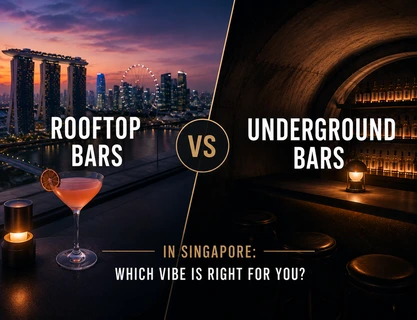
From there, the scene spills into Chinatown, Kampong Glam, and even the newer developments around Tanjong Pagar. Rooftop bars in the Marina Bay area offer a different energy entirely — sweeping views of the skyline paired with ambitious menus.
Many bars operate a no-reservations policy for walk-ins, but the best spots fill up quickly after 9 pm on weekends. Arriving early for the happy hour deals — some bars offer well-crafted cocktails at a discount before 8 pm — is a local strategy worth adopting.
Most cocktails at mid-range bars run between SGD 22 and SGD 30. At destination cocktail bars with seasonal tasting menus or omakase-style formats, expect to pay SGD 35 to SGD 60 per drink.
How Can Tourists Make the Most of Singapore’s Cocktail Scene?
If you are visiting Singapore for the first time, the cocktail scene is not just a nice-to-have — it is a genuine window into the city’s culture.
A few practical tips:
Dress smart casual. Most cocktail bars in Singapore enforce a smart casual dress code. Flip-flops and singlets are typically not welcome.
Ask the bartender. Singapore’s bartenders are knowledgeable, approachable, and genuinely proud of their work. Telling them your flavour preferences and asking for a recommendation almost always results in something exceptional.
Explore beyond the CBD. Some of the most exciting bars are in residential neighbourhoods like Tiong Bahru, Joo Chiat, and Holland Village — areas that also reward exploration on foot.
Look for menus that tell stories. The best bars in Singapore do not just list ingredients. They explain the inspiration behind each drink, the provenance of key ingredients, and sometimes even the cultural memory being evoked.
Try at least one drink built on a local ingredient you have never tasted before. That first sip of a pandan-washed spirit or a calamansi-spiked sour is often a genuine revelation.
What Is Next for Singapore’s Cocktail Scene?
The momentum shows no sign of slowing.
A new wave of bartenders is pushing even further into fermentation, foraging, and hyperlocal sourcing. Some are working with urban farms to grow specific herbs for their menus. Others are experimenting with koji-fermented spirits, tropical fruit vinegars, and even cocktails built around traditional Malay medicinal herbs known as jamu.
Sustainability is also becoming central to the conversation. Zero-waste bars that use every part of an ingredient — peel, pulp, seed, and all — are gaining traction, driven both by environmental conviction and the creative challenge of extracting maximum flavour from every element.
The global cocktail community is watching Singapore closely. And if the last decade is anything to go by, the next chapter will be even more extraordinary.
Conclusion
Singapore’s cocktail scene is a living, breathing expression of the city itself — cosmopolitan, confident, and deeply rooted in a sense of place.
From the pandan-kissed Daiquiris to the calamansi sours, from the butterfly pea flower colour-changers to the gula melaka Old Fashioneds, every glass tells a story about where Singapore has been and where it is going.
Whether you are a seasoned cocktail enthusiast, a curious foodie, or a first-time visitor trying to understand this remarkable city through its flavours, the bars of Singapore will give you something to remember.
For everything you need to plan your Singapore experience — from the best bars to hidden neighbourhood gems — Top in Singapore is your go-to guide for discovering the very best the city has to offer.