Yes — premium Japanese restaurant Singapore options on Orchard Road are largely worth the splurge, especially if you value precision cooking, curated omakase menus, and an atmosphere that matches the price tag. Singapore’s dining scene ranks among Asia’s finest, and its Japanese food culture is a significant reason why. But not every high-ticket meal delivers equal value. This guide helps you figure out when to spend, when to save, and which Orchard Road experiences justify the bill.
What Makes Orchard Road a Hub for Upscale Japanese Singapore Dining?
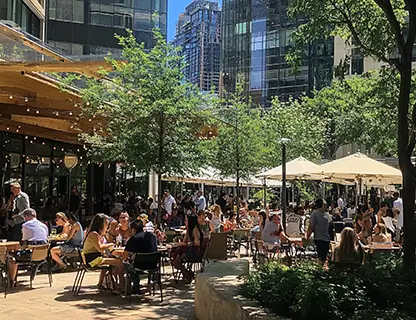
Orchard Road is Singapore’s most prestigious dining corridor. It sits alongside the city’s luxury retail belt — ION Orchard, Takashimaya, Ngee Ann City — drawing in an affluent mix of expats, high-net-worth locals, and international tourists.
Japanese cuisine has a commanding presence here. Singapore currently hosts over 4,000 Japanese food establishments island-wide, making it one of the highest concentrations outside Japan. Orchard Road accounts for a significant share of the fine end of that spectrum.
The area attracts Michelin-starred chefs, Tokyo-backed restaurant groups, and award-winning sommeliers who pair Japanese sake and whisky with multi-course menus. The result is a cluster of dining rooms where the product is genuinely world-class — if you choose wisely.
Is Fine Japanese Dining Orchard Actually Different from Elsewhere in Singapore?
Yes, in meaningful ways. The key differences come down to three things: ingredient sourcing, chef pedigree, and dining environment.
Restaurants on Orchard Road tend to fly in premium seasonal ingredients directly from Japan — think Hokkaido uni, A5 Wagyu from Kagoshima, Kyoto-grown yuzu, and live seafood sourced from Tsukiji’s successor, Toyosu Market. These are ingredients that mid-range Japanese restaurants simply cannot justify stocking.
Chef pedigree matters too. Several Orchard establishments are helmed by chefs who trained in Japan for a decade or more, or who have earned Michelin recognition either in Singapore or abroad.
The dining environment is the third differentiator. You are paying for silence, space, service rhythm, and curated glassware — things that cost money but genuinely shape how a meal feels.
How Much Does Expensive Japanese Food Cost in Singapore’s Orchard Belt?
Price ranges vary considerably, but here’s a realistic breakdown:
- Omakase counters: SGD 180 to SGD 500+ per person, excluding drinks. The higher end typically includes 12 to 18 courses with premium seasonal produce flown in weekly.
- Teppanyaki and kaiseki set menus: SGD 120 to SGD 350 per person for dinner. Lunch sets offer better value, sometimes starting at SGD 60 to SGD 90 for a condensed multi-course experience.
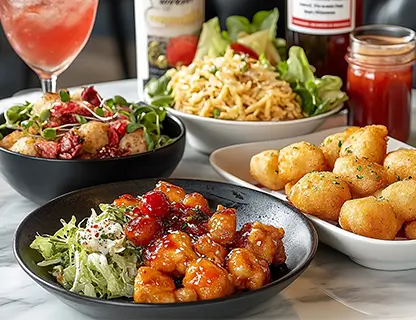
- À la carte Japanese fine dining: SGD 80 to SGD 200 per person is common for a satisfying dinner with two to three mains, starters, and miso soup.
- Wine and sake pairings: Add SGD 80 to SGD 200 per person on top of food costs at most upscale venues.
Singapore’s GST sits at 9% (as of 2024), and most fine dining venues add a 10% service charge. Budget an additional 19% above menu prices for a full picture of your final bill.
Is Expensive Japanese Food Worth It in Singapore? An Honest Assessment
It depends on what you are optimising for. Here is a direct comparison:
When the Price Is Justified
You are celebrating a milestone — a birthday, anniversary, or closing a business deal. The occasion demands the setting, and Orchard Road delivers.
You want omakase. The entire point of omakase is chef-led spontaneity using the best available ingredients that week. You cannot replicate this experience at a mid-range restaurant, no matter the skill level.
You are a food traveller who has done Japanese fine dining in Tokyo, Osaka, or Kyoto. Singapore’s top Orchard establishments compete authentically at that level and often at a lower price point than equivalent Tokyo restaurants.
When You Should Look Elsewhere
You want Japanese comfort food — ramen, katsu curry, and sushi conveyor belt. Orchard Road is not the right setting, and you will overpay significantly.
You are a budget-conscious tourist who wants variety. Tanjong Pagar, Bugis, and Holland Village offer excellent mid-range Japanese dining at a fraction of the price.
You are indifferent to ambience. If a plain room with great food suits you, some of Singapore’s best Japanese cooking happens in humble shophouse kitchens away from Orchard.
What Should You Actually Order at a Premium Orchard Japanese Restaurant?
Go for the chef’s menu or omakase whenever available. This is where these kitchens are built to shine. Ordering à la carte at an omakase-centric restaurant often means missing the seasonal ingredients the chef most wants to work with.
For non-omakase venues, prioritise:
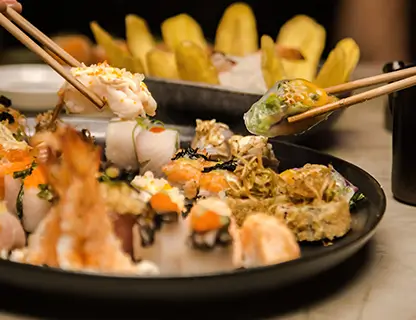
- Seasonal sashimi platters — where premium ingredient sourcing is most visible
- Wagyu courses — A4 and A5 graded beef prepared tableside is a hallmark of Orchard-level teppanyaki
- House-made tofu and dashi broths — deceptively simple, these reveal the depth of a kitchen’s technique
- Seasonal desserts — Japanese pastry at the fine dining level is an underrated art; most Orchard venues invest heavily here
Pair your meal with a sake flight rather than wine if you want an authentically Japanese experience. Singapore has a growing number of certified sake sommeliers, and several Orchard restaurants have curated selections that rival what you would find in Japan.
Which Orchard Road Japanese Restaurants Consistently Earn High Marks?
Rather than a standard list, here is what to look for when evaluating any fine Japanese dining option on Orchard Road:
- Michelin recognition — Singapore’s Michelin Guide has covered the city since 2016. Restaurants that maintain stars or Bib Gourmand recognition for multiple consecutive years demonstrate consistent quality.
- Chef tenure — Frequent chef changes often signal instability. The best Orchard Japanese restaurants have head chefs who have been in place for at least three to four years.
- Reservation scarcity — Genuinely excellent omakase counters in Singapore often require bookings two to eight weeks in advance. Difficulty getting a table is itself a quality signal.
- Import transparency — Top kitchens are happy to tell you exactly where their fish came from, which prefecture the Wagyu was raised in, and when the produce arrived. Evasive answers are a warning sign.
For a curated and regularly updated shortlist of the best options, the Japanese restaurants on Orchard Road guide is an excellent starting resource with current reviews and booking information.
How Does Singapore Japanese Dining Compare to Tokyo? Is It Comparable?
Closer than you would expect. This is one of Singapore’s most pleasant dining surprises.
Tokyo remains the global standard for volume and variety — the city has more Michelin stars than any other on Earth. But Singapore competes seriously at the top tier. Here’s why:
Singapore’s Japanese chef community is deeply connected to Japan. Many head chefs work seasonal stints in Japan, and some Orchard establishments are direct outposts or spin-offs of celebrated Tokyo and Osaka restaurants.
Ingredient quality at the very top is identical. Premium Japanese seafood, Wagyu, and seasonal produce are flown in by both Tokyo and Singapore’s leading restaurants, often from the same suppliers.
Where Singapore differs: there is less depth in the middle tier, fewer neighbourhood gems, and the price-to-quality ratio in Tokyo’s mid-range still beats Singapore. But for a pure top-of-market experience, Singapore holds its own impressively.
What Are the Practical Tips for Booking Upscale Japanese Singapore Dining?
Book at least two to four weeks ahead for well-reviewed omakase counters. Some of the most sought-after seats on Orchard Road fill a month or more in advance.
Go for lunch. Most Orchard’s fine Japanese restaurants offer lunch menus at 30–50% less than dinner prices, often using the same kitchen team and ingredient quality. An SGD 280 omakase dinner might translate to an SGD 130 lunch with a slightly condensed course count.
Tell them your dietary needs upfront. Japanese fine dining kitchens can adapt menus with advance notice, but cannot do so reliably if you tell them on arrival. Note allergies, vegetarian requirements, or disliked ingredients when booking.
Check the dress code. Some Orchard venues enforce smart casual or above. Arriving in beachwear at a kaiseki counter is genuinely uncomfortable for everyone.
Factor in drinks. It is easy to double your bill at an upscale Japanese restaurant once sake pairings, whisky flights, or premium teas are included. Decide your drinks strategy before you sit down.
Is There a Best Season to Visit for Premium Japanese Dining in Singapore?
Not in the traditional sense, since Singapore has no seasons. But Japanese cuisine is deeply seasonal even when exported abroad.
The best Orchard Road Japanese kitchens track Japanese seasonal calendars closely:
- Spring (March–May): Cherry blossom-themed desserts, bamboo shoots, and sakura salmon appear.
- Summer (June–August): Pacific saury, cold soba, summer Wagyu cuts, and fresh corn from Hokkaido appear on menus.
- Autumn (September–November): This is arguably the peak season — matsutake mushrooms, sanma (Pacific saury at its fatty best), and autumn truffle dishes arrive.
- Winter (December–February): Snow crab, yellowtail, and fugu (blowfish, at licensed venues) feature prominently. Osechi-inspired dishes appear around the new year.
If you can time your visit around autumn, the ingredient quality on Orchard’s finest Japanese menus is at its most impressive.
Conclusion
Yes — once, done right, it is an experience few cities outside Japan can match.
Singapore’s position as a global trade and transport hub means its best Japanese restaurants have access to the same ingredients as their Tokyo counterparts. Add to that a rigorous professional dining culture, Michelin scrutiny, and a customer base that demands excellence, and you get a consistently high floor of quality.
The mistake most visitors make is spending premium prices at a restaurant that merely looks upscale. Do your research, prioritise kitchens with a genuine chef pedigree and import transparency, and go for the omakase.
One more thing: if you are planning a broader culinary tour of Singapore and want reliable, well-researched recommendations across more than just Japanese food, Top in Singapore covers the city’s dining scene in exceptional depth — making it an ideal companion for every meal you plan, not just the ones with a big bill attached.
Orchard Road asks a lot of your wallet. In the right room, with the right menu, it delivers every dollar back in memory.