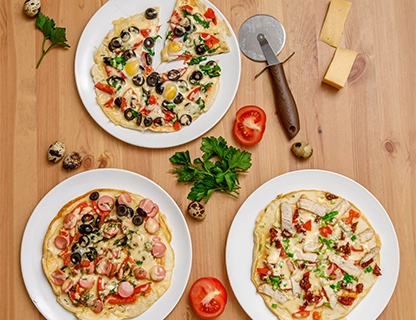
The best vegetarian pizza toppings — think roasted mushrooms, caramelised onions, sun-dried tomatoes, and smoked cheese — can absolutely rival any pepperoni or sausage pie. The secret lies not in replicating meat, but in building layers of umami, texture, and bold flavour from plant-based ingredients. With the right techniques, a meatless pizza can be every bit as hearty, indulgent, and crave-worthy as any meat-topped version.
Why Does Vegetarian Pizza Sometimes Feel Less Satisfying?
The honest answer: most people miss the savoury depth that meat naturally brings.
Meat is packed with glutamates — the compounds responsible for umami, that fifth taste that makes food feel rich and complete. When you remove meat from a pizza, you lose that umami punch unless you replace it deliberately.
The good news? Plants are full of umami, too. You just need to know where to find it — and how to coax it out.
What Are the Best Veggie Pizza Toppings for Maximum Flavour?
Not all vegetables are created equal when it comes to pizza.
Some vegetables release too much moisture and make the base soggy. Others taste flat and lifeless once baked. The best veggie pizza toppings are those that either already carry deep flavour or develop it through heat.
Here are the top performers:
Mushrooms — King of umami. Shiitake, portobello, and cremini mushrooms are loaded with glutamates. Roast or sauté them before adding to pizza to drive off moisture and concentrate flavour.
Sun-dried tomatoes — A double hit of umami and sweetness. They add chew, intensity, and complexity that fresh tomatoes simply cannot.
Caramelised onions — Slow-cooked onions develop natural sugars and savoury depth. Even a small spoonful transforms a pizza completely.
Roasted red peppers — Silky, sweet, and slightly smoky. Jarred versions work brilliantly and save time.
Artichoke hearts — Meaty in texture with a subtle brininess that adds sophistication.
Olives — Salty, fatty, and punchy. Use sparingly so they accent rather than overpower.
Spinach or kale — Wilt before adding to prevent excess moisture. Add a little garlic and they become a flavour-packed topping.
Fresh chilli — A small amount of heat wakes up every other flavour on the pizza.
How Do You Build Umami Into a Meatless Pizza?
Umami is your best friend when going meatless. Here is how to stack it strategically.
Layer your sauce. Start with a quality tomato base and stir in a teaspoon of miso paste, a small splash of soy sauce, or a few finely chopped sun-dried tomatoes. None of these will taste obvious, but all of them deepen the overall flavour significantly.
Use aged or smoked cheese. Aged parmesan, pecorino, and smoked mozzarella are all umami powerhouses. Even a small amount of Parmesan grated over the top of a pizza dramatically boosts its savoury profile.
Try nutritional yeast. Scatter a tablespoon over your pizza before baking. It has a nutty, cheesy flavour and is rich in natural glutamates. It is especially useful if you are making a vegan or dairy-free version.
Finish with miso butter. A small amount of white miso mixed with softened butter, brushed over the crust straight out of the oven, is a game-changer. Salty, savoury, and deeply satisfying.
Add a drizzle of truffle oil. A few drops after baking add a luxurious, earthy depth. A little goes a very long way.
Does the Pizza Base Make a Difference for Vegetable Pizza Ideas?
Absolutely. A weak or flavourless base undermines everything on top.
For homemade dough, let it cold-ferment in the fridge for at least 24 hours — up to 72 hours is even better. Slow fermentation develops flavour and creates that slightly tangy, chewy texture that makes pizza so satisfying.
If you are short on time, sourdough pizza bases, available in most supermarkets, add a natural depth that standard store-bought dough lacks.
For a crispier, sturdier base that holds up under heavier toppings, use a higher-protein bread flour rather than plain flour.
What Are the Best Cheese Choices for a Satisfying Veg Pizza?
Cheese is the bridge between vegetables and satisfaction.
Do not just default to standard mozzarella. While fresh mozzarella is delicious, it is mild and melts into the background. Try combining it with one or two more flavourful options.
Smoked mozzarella — Adds that meaty, smoky note you might expect from a BBQ chicken pizza.
Gruyère — Nutty and intensely savoury. Excellent paired with caramelised onions and mushrooms.
Gorgonzola or blue cheese — Just a small amount crumbled on top adds a punchy creaminess that is deeply indulgent.
Ricotta — Dolloped on in spoonfuls, it adds richness and a creamy contrast to roasted vegetables.
Parmesan — Always finish with freshly grated Parmesan. It is one of the most umami-dense foods in existence.
How Do You Stop Vegetables from Making the Pizza Soggy?
This is where most vegetarian pizzas go wrong.
Vegetables contain a large amount of water. When they hit the heat of the oven, that water releases and can turn your carefully crafted pizza into a soggy mess.
Roast or sauté your vegetables first. Even ten minutes in a hot oven or a few minutes in a pan drives off most of the excess moisture. This also concentrates the flavour.
Salt vegetables in advance. Sliced courgette, aubergine, and tomatoes benefit from being salted and left for 15–20 minutes before patting dry. The salt draws out water before it hits your pizza.
Do not overload the base. Resist the urge to pile on everything. A few well-chosen toppings used generously beat a crowded jumble of ingredients every time.
Bake on high heat. Pizza bakes best between 220–250°C (or as high as your oven will go). A hot oven quickly evaporates surface moisture before it soaks into the dough.
What Vegetable Pizza Ideas Work Especially Well in Singapore?
For those exploring meatless pizza Singapore style, there are plenty of local-inspired combinations worth trying at home.
Singapore has a thriving vegetarian and vegan food scene. According to a 2023 survey by YouGov, around 5% of Singaporeans identify as vegetarian or vegan, and nearly one in three are actively trying to reduce their meat consumption. Demand for quality plant-based options — including meatless pizza — has grown consistently in recent years.
Here are some vegetable pizza ideas that resonate with local tastes:
Satay-inspired veggie pizza — Use a peanut satay sauce as the base instead of tomato, topped with grilled tempeh, red onion, and a drizzle of sweet soy sauce. Finish with fresh coriander.
Chilli-mushroom pizza — A sambal-tomato sauce base with sautéed shiitake mushrooms, caramelised onions, and a generous scatter of fresh bird’s eye chilli slices. Top with smoked mozzarella.
Rendang-spiced aubergine pizza — Thin slices of aubergine marinated in rendang spices, roasted until tender, and layered over a spiced tomato base. Finish with yoghurt and crispy shallots.
Laksa leaf and ricotta white pizza — A white pizza using a garlic cream base, ricotta, roasted cherry tomatoes, and fresh laksa leaves scattered after baking for a distinctly Singaporean twist.
If you prefer to enjoy great vegetarian pizza without the kitchen effort, check out this curated guide to the best vegetarian pizza in Singapore for top restaurant picks across the island.
Are There Protein-Rich Toppings That Make Veggie Pizza More Filling?
Yes — and this is one of the most effective ways to make a satisfying veg pizza.
A common reason people find vegetarian pizza less filling is the absence of protein. Meat brings protein alongside its flavour. Without it, some people feel hungry again soon after eating.
Here are excellent plant-based protein options for pizza:
Tempeh — Slice thinly, marinate in soy sauce and garlic, then pan-fry until golden. It has a nutty, meaty texture and takes on flavour beautifully.
Chickpeas — Roast in olive oil and smoked paprika until crispy. They add a satisfying crunch and subtle earthiness.
Firm tofu — Press out excess moisture, cube, and bake or fry until golden before adding to pizza. Marinate in miso, garlic, and chilli for the best results.
White beans — Creamy and mild, they work particularly well on white pizzas. Mash some into the sauce for added body.
Paneer — Cubed and lightly charred, paneer adds a rich, milky protein hit with a texture not unlike halloumi.
Halloumi — Slice and grill before adding. It becomes firm and slightly squeaky with a salty intensity that is genuinely meat-rivalling.
What Finishing Touches Elevate a Homemade Veggie Pizza?
The difference between a good pizza and a great one often comes down to the final five minutes.
Fresh herbs after baking — Add basil, rocket, flat-leaf parsley, or microgreens immediately after the pizza comes out of the oven. Heat destroys delicate herbs; freshness added at the end makes the pizza feel alive.
A drizzle of good olive oil — A thin drizzle of extra virgin olive oil right before serving adds richness and a peppery finish.
Chilli flakes or fresh chilli — A pinch of chilli flakes over the hot pizza is a small touch that adds a lot of energy to the dish.
Lemon zest — A tiny amount of lemon zest, grated over mushroom or ricotta pizza cuts through richness and brightens every flavour.
Honey or balsamic glaze — A thin drizzle over a pizza topped with blue cheese, pear, or caramelised onion adds a sweet-savoury complexity that is genuinely addictive.
Quick Cheat Sheet: Building a Satisfying Veggie Pizza
| Element |
What to Do |
| Sauce |
Add miso or soy sauce for umami depth |
| Toppings |
Pre-roast or sauté to concentrate flavour |
| Cheese |
Layer at least two varieties for complexity |
| Protein |
Add tempeh, chickpeas, or halloumi |
| Base |
Cold-ferment dough for 24–72 hours |
| Heat |
Bake at 220–250°C for a crisp, non-soggy result |
| Finishing |
Fresh herbs, olive oil, and lemon zest after baking |
The Final Word on Vegetarian Pizza
Making a vegetarian pizza as satisfying as a meat-topped one is entirely achievable — it just requires a more intentional approach to flavour building. Choose vegetarian pizza toppings that are naturally umami-rich, pre-cook your vegetables to concentrate flavour and remove moisture, layer complementary cheeses, and never underestimate the power of a great finish.
Singapore’s food scene continues to show that meatless eating does not mean compromising on taste. Whether you are a committed vegetarian, a curious home cook, or simply someone looking to eat a little less meat, these techniques will help you create pizzas that satisfy on every level.
For more food inspiration and the best places to eat across the island, explore Top in Singapore — your guide to the finest dining, food spots, and hidden gems Singapore has to offer.