Kaya toast Singapore is the undisputed king of local breakfasts — a crispy, charcoal-grilled slice of bread slathered in coconut jam and cold butter, served alongside soft-boiled eggs and kopi. But in recent years, avocado toast Singapore has stormed the brunch scene, landing on café menus across Tiong Bahru, Dempsey Hill, and Orchard Road. So which one wins? That depends on whether you’re feeding your nostalgia or your Instagram feed.
What Is Kaya Toast and Why Does Singapore Love It?
Kaya toast is more than a breakfast item. It’s a cultural institution.
The dish traces its roots to the early Hainanese immigrants who settled in Singapore during the 19th century. They brought with them a tradition of kopi shops — humble coffeehouses that became the social heartbeat of the neighbourhood.
Kaya, the star of the show, is a thick, fragrant jam made from coconut milk, eggs, sugar, and pandan leaves. It’s spread generously on toasted bread (traditionally charcoal-grilled for that slightly smoky crunch), paired with a thick slab of cold salted butter.
The full experience? Two half-boiled eggs, cracked into a saucer, seasoned with dark soy sauce and white pepper, and a cup of kopi-o — black coffee brewed with robusta beans and sweetened with sugar.
It costs around SGD 3–5 at a traditional kopitiam. You’ll be in and out in under 15 minutes.
Singapore has over 6,000 hawker stalls and kopitiams across the island, and kaya toast appears on almost every single one of them. It’s not just food. Its identity.
What Is Avocado Toast and How Did It Take Over Singapore’s Brunch Scene?
Avocado toast needs little introduction in 2026
Originating from the Australian café culture of the 1990s and catapulted to global fame through social media in the 2010s, avocado toast in Singapore has found a very comfortable home in the city-state’s thriving café scene.
The basic format: thick sourdough or multigrain toast, topped with smashed avocado, sea salt, chilli flakes, and a poached or fried egg. But Singapore cafés have taken it further.
You’ll find versions topped with smoked salmon, burrata, dukkah, micro herbs, and even house-made chilli oils. Prices typically range from SGD 18–28 per plate, sometimes more at premium brunch spots.
The aesthetic is everything. Green against toast, a golden egg yolk, a drizzle of olive oil. It was practically designed for a flat-lay shot.
Singapore’s café culture has exploded over the past decade, with the country now home to an estimated over 2,000 cafés. A significant number of them prominently feature avocado toast on their all-day brunch menus.
Kaya Toast vs Avocado Toast: How Do They Compare?
Let’s break this down across the categories that actually matter.
Which One Is More Affordable?
Winner: Kaya Toast — by a landslide.
|
Kaya Toast |
Avocado Toast |
| Average price |
SGD 3–5 |
SGD 18–28 |
| Full meal cost (with drink) |
SGD 5–8 |
SGD 25–40 |
| Where to find it |
Kopitiam, hawker centre |
Café, brunch restaurant |
Kaya toast with eggs and kopi will set you back less than SGD 8 at most kopitiams. That same SGD 8 won’t even cover half the cost of avocado toast at a mid-range café.
For everyday Singaporeans, the math is simple.
Which One Is Healthier?
It’s closer than you think.
Avocado toast gets credit for its healthy fats, fibre, and vitamins B and E. Avocado is genuinely nutritious. Sourdough bread, when made traditionally, is easier to digest than standard white bread.
But kaya toast is not the villain it’s often painted as. Two soft-boiled eggs provide high-quality protein and essential nutrients. Pandan, used in kaya, has antioxidant properties. Coconut milk contains medium-chain triglycerides (MCTs), which metabolise differently from other fats.
Where kaya falls short: the sugar content in kaya jam can be high, and the butter adds saturated fat. The kopi (especially with condensed milk) can add a significant sugar hit.
Where avocado toast falls short: café versions often pile on extras — sauces, creams, processed proteins — that quietly push the calorie count well past what it looks like on the plate.
Net result? If you’re eating both in their purest forms, both are reasonably balanced breakfasts. If you’re adding condensed milk kopi and a side of toast dripping in extra kaya, or stacking your avocado toast with truffle oil and a full charcuterie board, the calculus shifts.
Which One Tastes Better?
Purely subjective — but let’s be real.
Ask a 60-year-old uncle at a Toa Payoh kopitiam, and he’ll look at you like you’ve lost your mind.
Ask a 28-year-old freelance designer working from a Tiong Bahru café and the answer might go the other way.
Kaya toast delivers on umami, sweetness, crunch, and creaminess all at once. The contrast of hot toast, cold butter, and the warm pandan-coconut kaya is legitimately hard to improve on. Dip the eggs into soy sauce and stir them just slightly — it transforms the whole experience.
Avocado toast earns its place through texture contrast, freshness, and versatility. When made well — with ripe avocado, quality bread, and the right seasoning — it’s genuinely satisfying.
The difference is philosophy. Kaya toast is a ritual. Avocado toast is a meal you photograph.
Which One Has More Cultural Weight in Singapore?
Winner: Kaya Toast — no contest.
Kaya toast is listed under Singapore’s intangible cultural heritage and is closely tied to the Hainanese coffee shop tradition that shaped Singapore’s multicultural identity.
Ya Kun Kaya Toast, one of the most iconic brands, was founded in 1944 by Loi Ah Koon, a Hainanese immigrant. It has since grown to over 60 outlets across Singapore and expanded internationally.
Killiney Kopitiam, another heritage brand, has been operating since 1919 — making it over 100 years old.
Avocado toast has no roots here. It arrived via Instagram and global café culture trends. It’s delicious, but it doesn’t carry the same emotional freight.
Which One Is Better for a First-Time Visitor to Singapore?
Winner: Kaya Toast — it’s a non-negotiable experience.
If you’re visiting Singapore for the first time, kaya toast is not optional. It’s an entry point into the culture.
Sitting at a marble-topped kopitiam table, watching the uncle deftly grill toast over charcoal, cracking eggs into a ceramic saucer, sipping strong kopi from a glass — this is Singapore. The sounds, the smells, the pace. No café can replicate it.
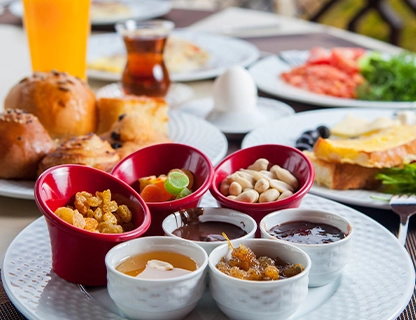
To find some of the most celebrated breakfast spots across the island, check out this curated list of the best places to have breakfast in Singapore — covering everything from legendary kopitiams to top-rated brunch cafés.
The 5 Best Places for Kaya Toast in Singapore
- Ya Kun Kaya Toast (Multiple Outlets) The most iconic chain in Singapore. Charcoal-grilled toast, old-school kopi, and a menu that hasn’t needed to change in decades. Try the original outlet at Far East Square.
- Killiney Kopitiam (Killiney Road) Over 100 years of history in a single cup of kopi. Their kaya is rich, deeply pandan-forward, and the eggs are consistently perfect.
- Tong Ah Eating House (Keong Saik Road) A beloved Chinatown institution with queues before 9 am. Their toast is thin, crispy, and generous with butter.
- Heap Seng Leong (North Bridge Road) One of the last traditional kopitiams in Singapore. No air-con, no WiFi, no frills — just excellent kaya toast and some of the best kopi-o in the city.
- Toast Box (Multiple Outlets) The modern chain option — reliable, clean, and widely available across malls and transport hubs. Great if you need your kaya toast fix at 7 am before a morning flight.
The 5 Best Places for Avocado Toast in Singapore
- Symmetry (Jalan Kubor) A pioneer of Singapore’s brunch scene. Their avocado toast comes stacked with poached eggs, house-made ricotta, and roasted cherry tomatoes on thick sourdough.
- The Marmalade Pantry (multiple outlets) Long-standing brunch favourite with a polished take on avocado toast. Consistently good eggs, quality bread, and café ambience that justifies the price.
- Forty Hands (Tiong Bahru) A Tiong Bahru institution. Their avocado toast is simple, well-executed, and pairs beautifully with their single-origin filter coffee.
- Two Bakers (Horne Road) A bakery-café hybrid where the sourdough is made in-house. The avocado toast is all about the bread — thick, chewy, and genuinely exceptional.
- Habitat Coffee (Upper Thomson Road) Tucked away from the tourist trail. A neighbourhood gem with a strong brunch offering, including a seasonal avocado toast variation that changes with what’s fresh.
Traditional vs Modern Breakfast Singapore: Is This Really a Battle?
Here’s the honest answer: it doesn’t have to be.
The traditional vs modern breakfast Singapore conversation tends to frame it as a cultural war — heritage vs hipster, heartland vs Instagrammable, $4 vs $24.
But most Singaporeans move fluidly between both worlds. They’ll have kaya toast at the void deck kopitiam on Tuesday morning and avocado toast at a Dempsey café on Sunday brunch. The two exist without conflict.
What’s worth watching is which one Singapore’s next generation gravitates toward when habit and nostalgia don’t dictate the choice.
Singapore’s hawker culture was inscribed on UNESCO’s Representative List of the Intangible Cultural Heritage of Humanity in 2020. That’s a meaningful signal. There’s a real, government-backed effort to preserve these food traditions — including the kopitiam experience — for future generations.
At the same time, Singapore’s café industry continues to grow. The Food & Beverage sector contributes significantly to the economy, and brunch culture shows no signs of slowing down.
Both can coexist. Both deserve respect.
So Which Should You Choose?
Choose kaya toast if: You want to eat like a local. You’re on a budget. You want something fast, satisfying, and deeply connected to Singapore’s identity. You haven’t tried it yet — in which case, stop reading and go immediately.
Choose avocado toast if: You’re settling in for a long weekend brunch. You want a café atmosphere with quality coffee and a longer meal. You’re meeting friends and want a leisurely sit-down experience.
Choose both if: You’re in Singapore for more than a week and you have any sense of adventure whatsoever.
Conclusion
Kaya toast in Singapore is the soul of the city’s breakfast identity. It has history, community, and flavour that no amount of smashed avocado can replicate.
Avocado toast Singapore earns its place in the modern landscape — it’s well-made, widely loved, and suits the pace of a weekend morning with nowhere to be.
The real winner is Singapore’s breakfast scene as a whole, which manages to hold both a 100-year-old kopitiam tradition and a globe-trotting brunch trend with equal enthusiasm.
For more of the island’s best eats, morning spots, and local food guides, Top in Singapore covers everything you need to plan the perfect food itinerary — from hawker gems to café hotspots and beyond.